
Foundation repair
Cracks in a block or poured foundation usually mean water or settling ground is at work, so we find which one before we patch and deal with the water along with the crack.
Custom Loveland Concrete and Masonry is a masonry contractor based in Loveland that repairs brick, chimneys and foundations and builds walls, walkways and pavers for homes in Milliken, CO, fixing the cause and not just the crack.
Milliken's ground is mostly sandy loam, but it changes as you head south. About a mile south of town, the river soils can compress a good deal and wash away, farther south there are wind-blown soils that collapse when they get wet, and near the Wildcat Mound the clay swells. That's the general picture and not a read on your lot, so when a step has sunk or a wall has leaned, I want to see what's under it before we talk about the brick on top.
What a job here costs comes down to how much has to come apart, whether the base underneath needs rebuilding, the brick, block or stone you choose and how easy the spot is to reach. The schedule mostly turns on whether the Town of Milliken needs a permit and inspections, and on what we find once the old work is open. Your estimate is where you get your own number.
We're based in Loveland and work across the cities around it, so Milliken jobs sit right alongside ones in Johnstown and Mead. The calls are much the same, usually crumbling joints, a wall that's moved or the project you've been meaning to get to for years.
Inside town limits, the Town's Building Services handles permits, plan review and inspections. I check with them on every job, and when one's needed we file the application and set up the inspections.
Crumbling joints or a leaning wall usually have water or a weak base behind them. We fix that first, because a patch over it just lets you down again.
I'm the one who comes out to look at your job and write the estimate, and I work on site with our masons, so what we agreed on is what gets built.
Cracks in a block or poured foundation usually mean water or settling ground is at work, so we find which one before we patch and deal with the water along with the crack.
Loose bricks or a cracked crown, the concrete cap up top, usually mean water is getting in, so we rebuild the crown and the worst joints before anything else.
When mortar joints crumble to sand, we grind them back to sound mortar and refill them in a matched color, so the wall still looks like itself.
Cracked or flaking bricks can be cut out one at a time and replaced with a close match, which saves the rest of the wall and usually costs less than relaying it.
A paver driveway is only as good as the packed base under it, so we dig out, compact the gravel in layers and lock the edges before a single paver goes down.
Most walls that lean failed at the base or behind it, so we build on a compacted footing with drain rock and a drain pipe behind, giving water a way out.
On older brick and stone we clean with the gentlest method that works and match the original mortar, because harsh washing or hard modern mortar can damage soft old brick.
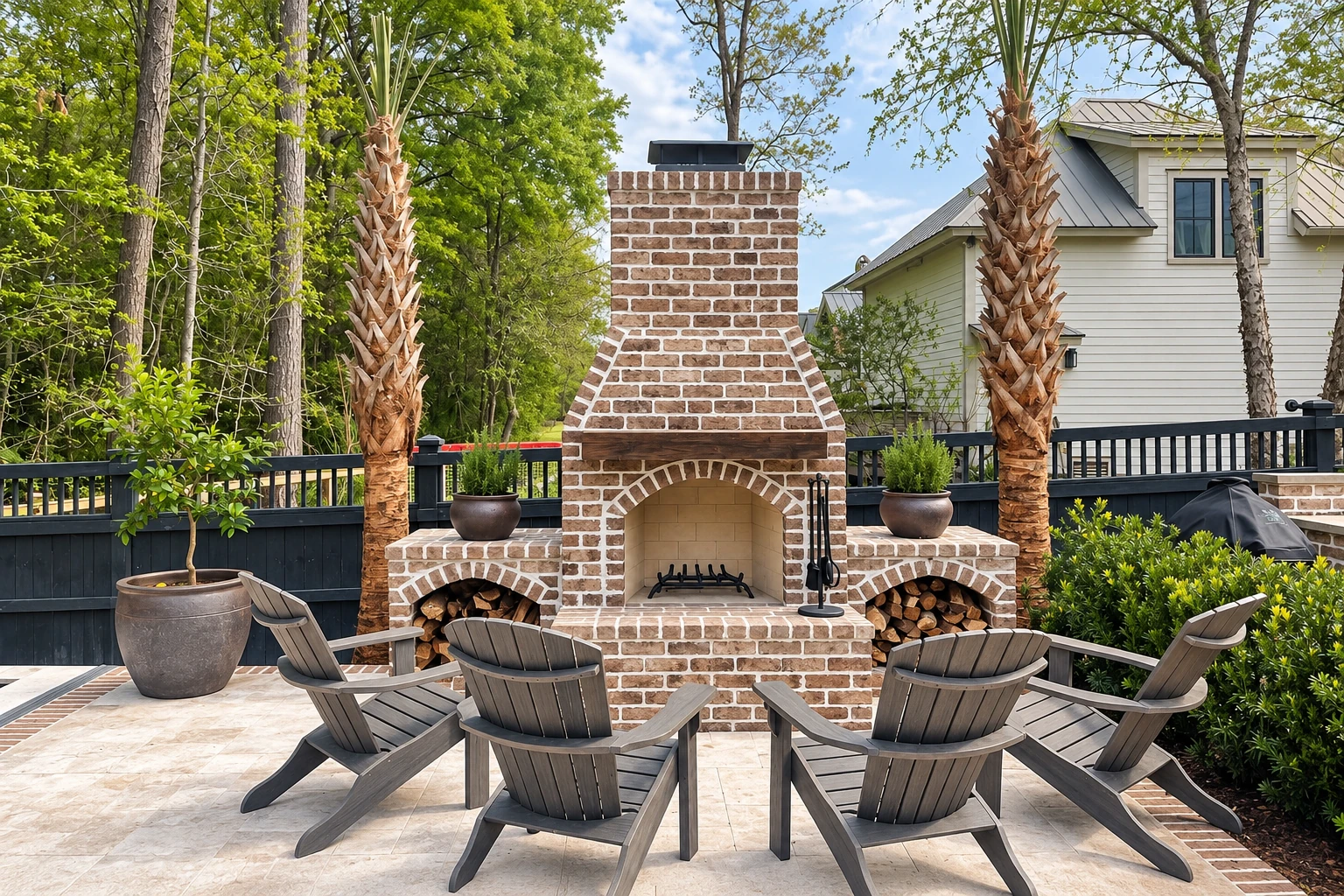
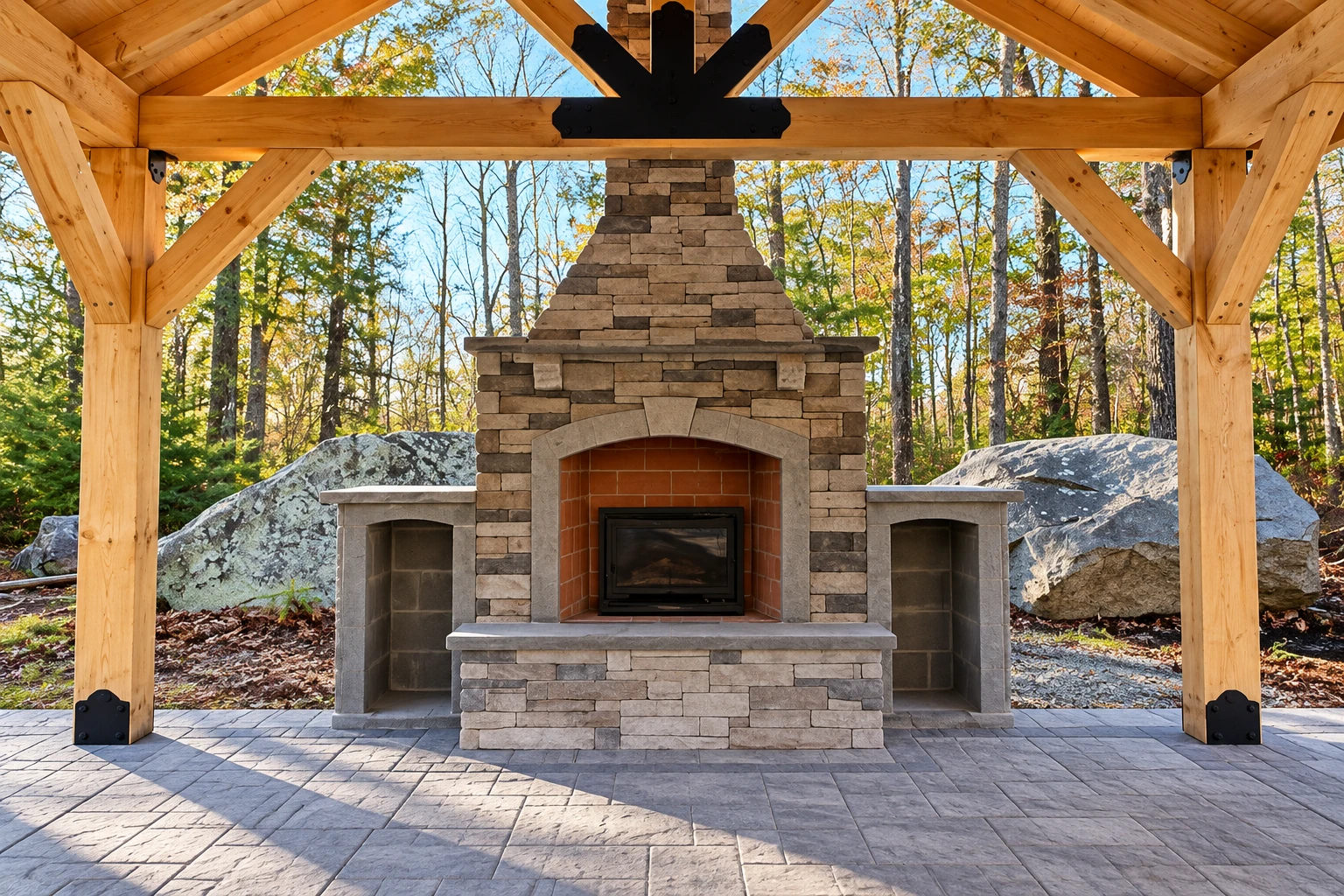
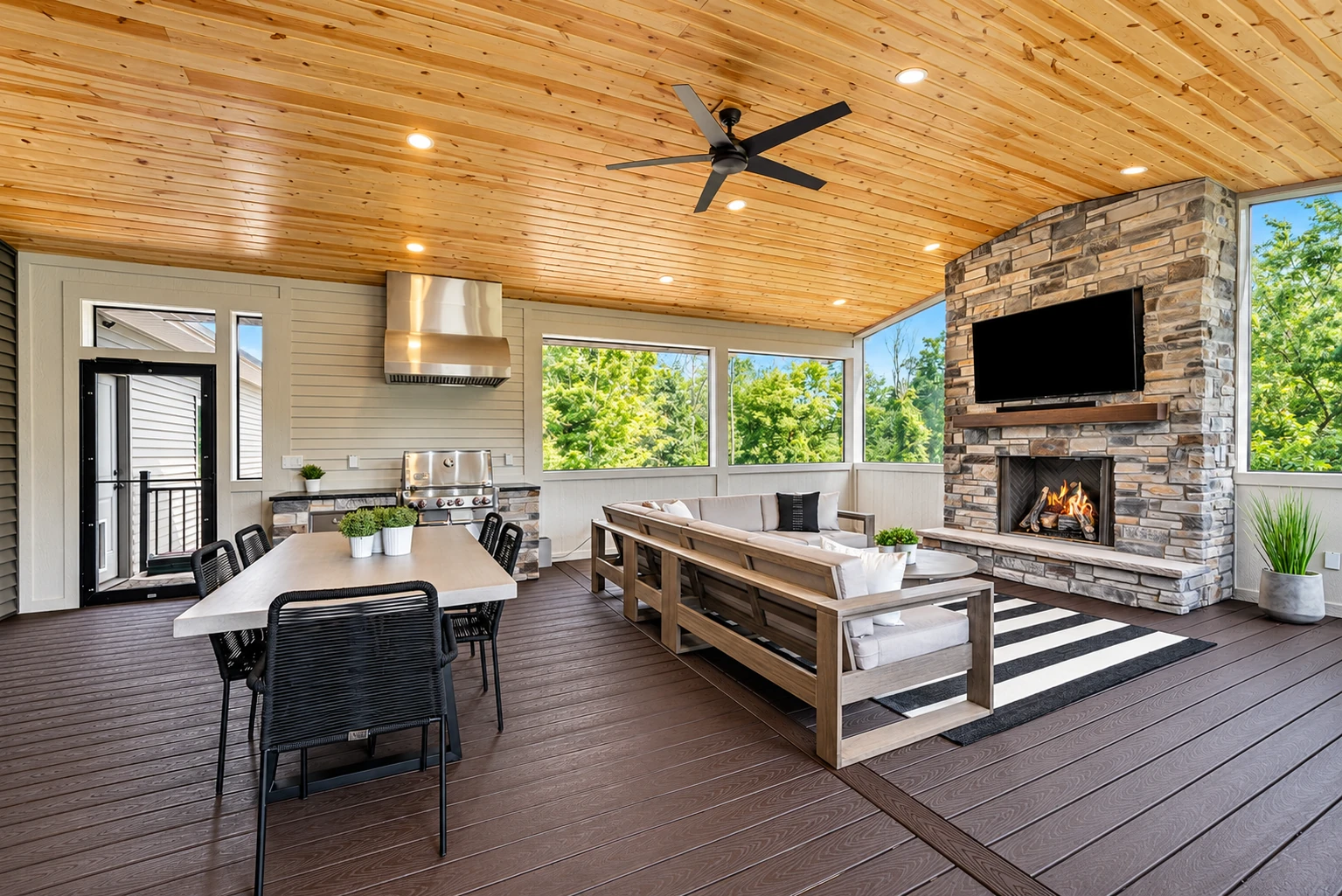
We build masonry fireplaces and surrounds from the hearth up, laying firebrick where the heat hits and planning the chimney connection before we lay the first brick, so it draws well.
Stone veneer is a thin stone face set on the wall, so we get the water barrier and mesh behind it right and leave the bottom edge open where water drains.
Block walls for yards, garages and planters go up on a footing poured below the loose topsoil, with steel and grout in the hollow cores where the wall needs extra strength.
For additions, garages and crawlspaces we lay block foundation walls on a level, solid footing and check them plumb row by row, because every wall above inherits any error down here.
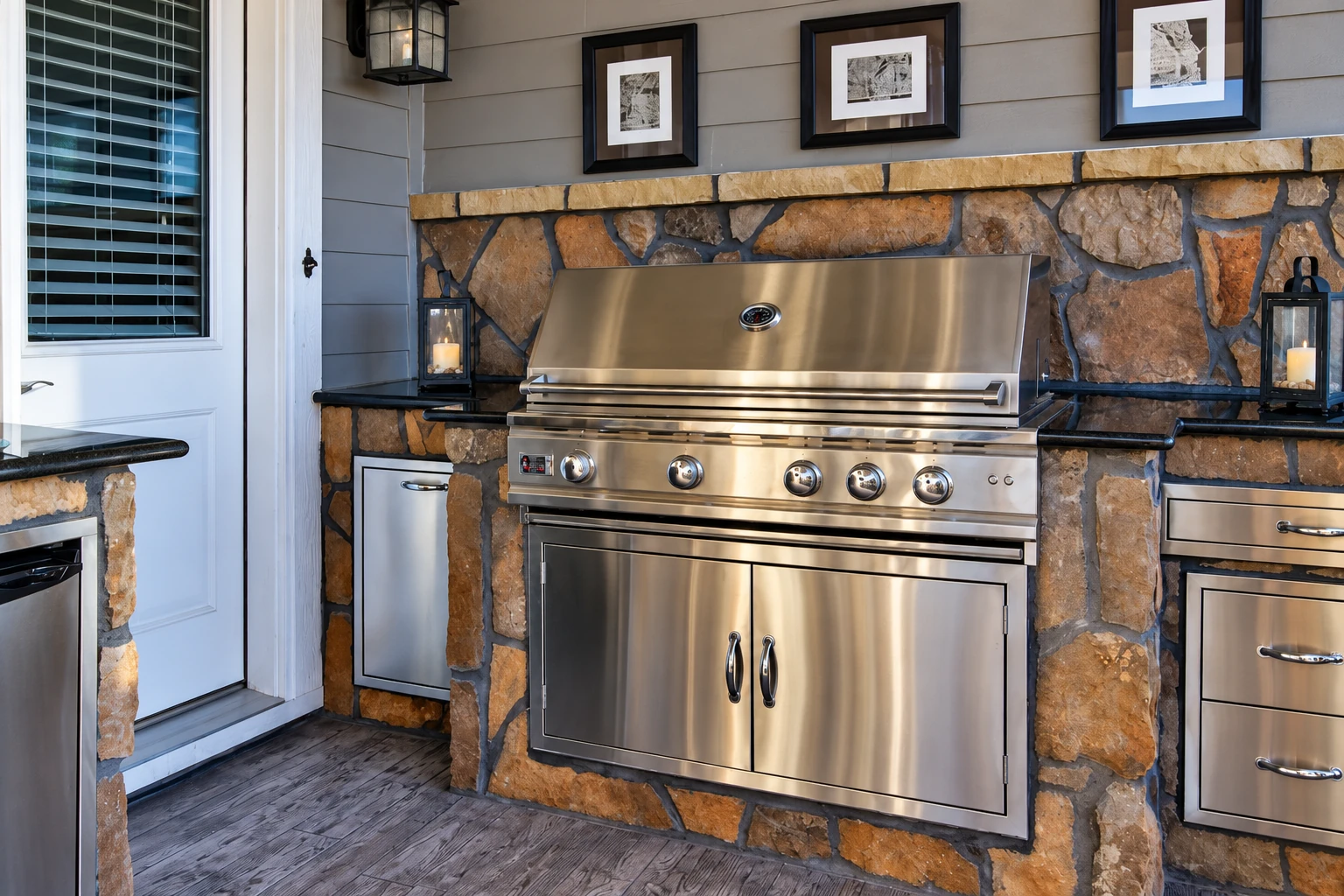
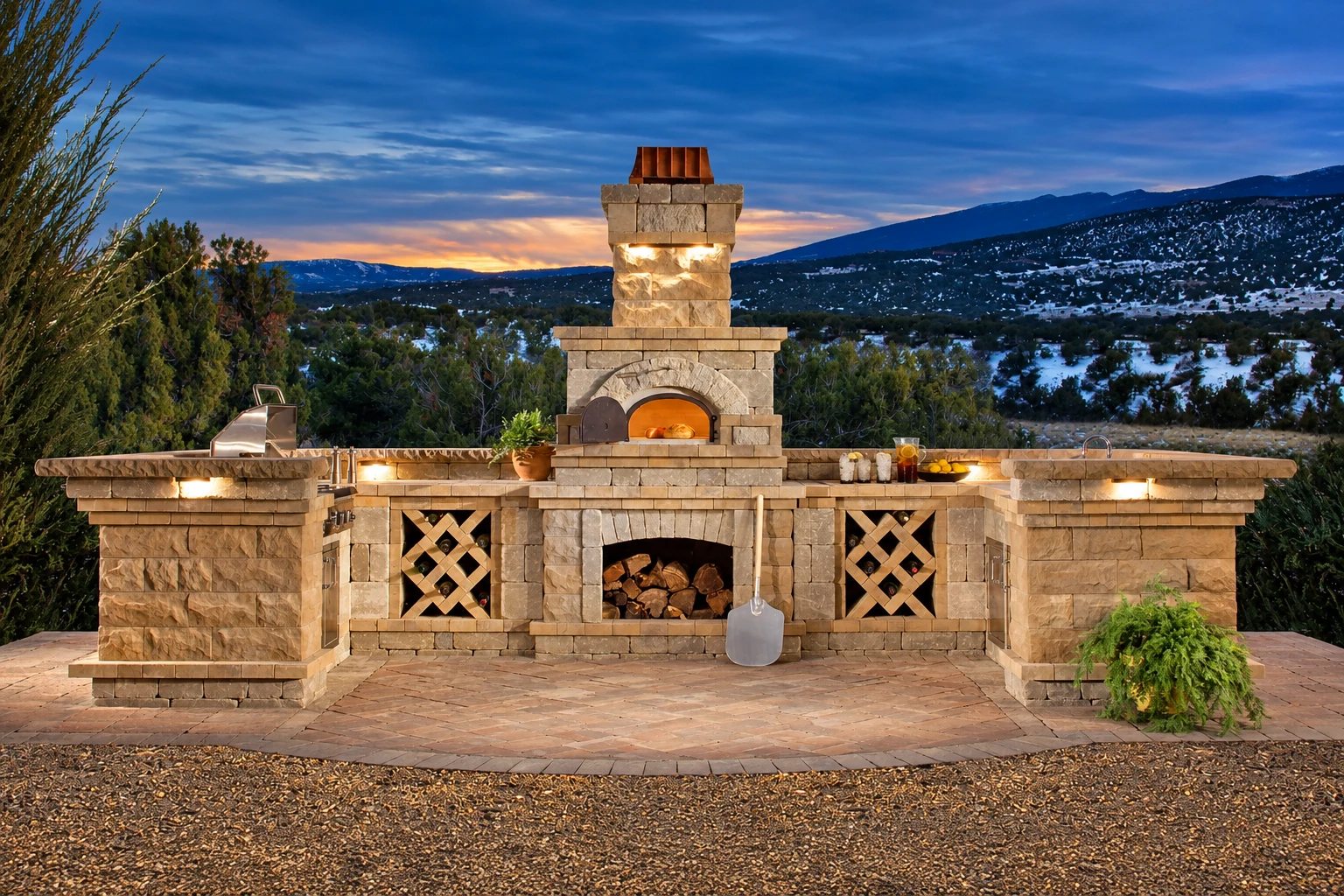
We build outdoor kitchen bases, grill islands and counters in block, brick or stone on a proper footing, and leave room for the gas line and electrical your other trades will run.
A walkway that heaves or puddles usually has a thin base or no slope, so we dig deep enough, pack the base and pitch the surface slightly so water runs off.
New garden and privacy walls in brick start with a footing and end with a cap that sheds water, since most trouble starts where rain sits on top or soaks in below.
Natural stone steps, walls and columns get each stone fitted and bedded solid in mortar, so each stone carries its share of the weight instead of rocking on a high spot.
Pointing on newer brick fills thin or cracked joints before water gets behind them, and if only one side of the house is wearing, we'll tell you the rest can wait.
Tell us about the job and we'll get back to you within one business day to set a time. I'll come out, look at it with you and write a free estimate, with no obligation.
Your estimate lists what the price covers in one place, so you can see exactly what you're paying for and compare it fairly with anyone else's number.
If an old crack is stable or a wall can go a few more years, I'll tell you, and we'll put the urgent part first so you aren't paying for work that can wait.
We're licensed and fully insured, and it's satisfaction guaranteed on every job, whether that's a few bricks by the back door or a new retaining wall.
Straight answers on permits, codes and licensing for masonry work in Milliken, from what the Town requires to what we take care of.
You may, because the Town requires a building permit to build, enlarge, alter, repair, move or tear down a building or structure, and that can reach walls, foundations and chimneys. The Town's Building Services makes the call on your job. We sort that out with them before any work starts, so you know where you stand.
Milliken reviews house projects under the International Residential Code, along with the matching plumbing, mechanical, energy and fire codes and the Town's own amendments. Plan review and inspections are done for the Town by SAFEbuilt, so the inspector who checks your job is working on the Town's behalf. We build to what those inspections look for.
Yes, for any job that needs a permit. The Town only issues a permit once the contractor holds the license its code requires, and it approves that license after payment and the required documents are in. Anyone doing business in town also needs a Town business license, renewed each calendar year by January 31. Ask any contractor you're weighing about both.
These are the cities with their own page on this site, but we work across the cities around Loveland, so if yours isn't listed, call or send the form and ask.
Call (970) 292-7476 any day from 7 AM to 11 PM, or describe your project on the form, and I'll come take a look.