
Foundation repair
We track down what's moving a foundation, whether it's water against the wall or a failing section of block, and repair the cause before sealing up the cracks you can see.
Custom Loveland Concrete and Masonry is a masonry contractor based in Loveland, CO, and in Johnstown we fix crumbling brick joints, chimneys and foundations and build retaining walls, walkways and paver driveways from the ground up.
The Town of Johnstown's residential design criteria put the frost line at 30 inches and rate weathering damage here as severe, and you can see it on the brick and block in yards here. Water soaks into a joint, freezes and pushes it apart a bit more each winter, so when I'm looking at a crumbling joint or a leaning wall, the first thing I want to know is where the water's getting in and how deep the base goes. A lot of what we see is newer homes with brick or stone veneer fronts, backyard block walls and paver walkways, plus some older brick that needs a gentler touch.
What moves the price is how much brick, block or stone is involved, how much old material has to come out first, how closely the new work has to match what's there and how deep the base or footing needs to go. The schedule mostly turns on whether the job needs a permit or an engineer's design before we start, and on the weather, since fresh mortar doesn't like a freezing night. Your estimate puts your own number on paper, along with what it covers.
We're based in Loveland and do the same work across the cities around it, including Johnstown's neighbors Windsor and Milliken.
I come to your house to look at the job and write the estimate, then work on site alongside our masons, so the person who priced it is there while it's built.
A patch over a leak or a weak base just lets you down again, so we find out why a joint crumbled or a wall moved before we fix the part that shows.
If a crack looks old and steady or a repair can sit another season, I'll say so, because your money should go first to whatever's letting water in.
We track down what's moving a foundation, whether it's water against the wall or a failing section of block, and repair the cause before sealing up the cracks you can see.
Chimneys take the worst of the weather, so we rebuild washed-out joints and cracked crowns at the top and check the flashing where the roof meets the brick, a common leak spot.
When mortar joints go sandy or hollow, we grind out the worn mortar to an even depth and pack in new mortar matched to your brick's color and hardness.
Bricks with spalled faces, where the front has popped off, get cut out and replaced with the closest match we can find, most often on front steps and veneer walls.
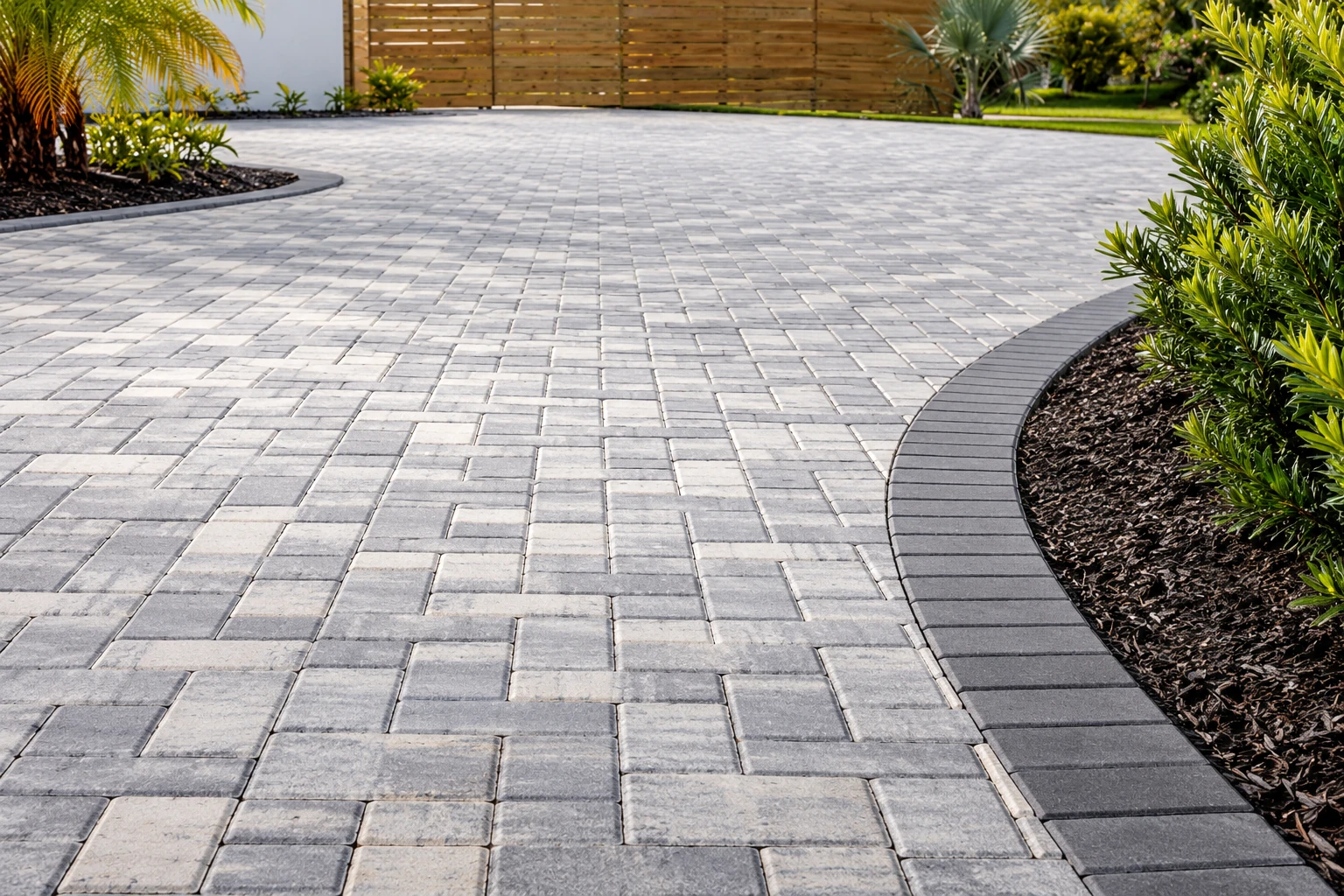
A paver driveway is only as good as what's under it, so we dig out, build up and pack the base, then set edging that keeps pavers in place under your cars.
Backyard walls often lean because water builds up behind them, so we build ours on a solid footing with drainage behind the wall to let that water out.
Older brick and stone need a gentle hand, so we clean with the mildest method that works, repoint with a softer mortar and replace only the pieces that can't be saved.
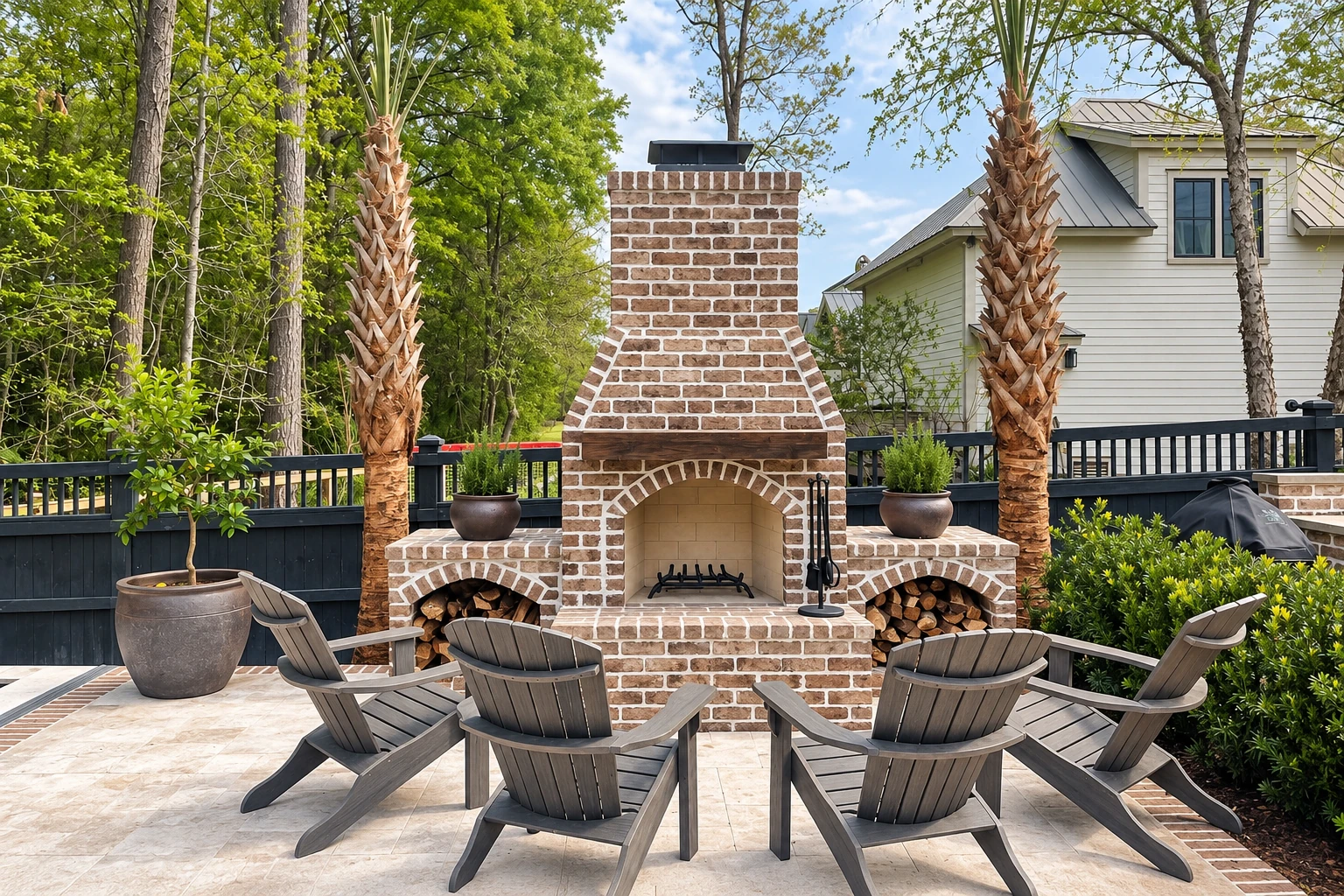
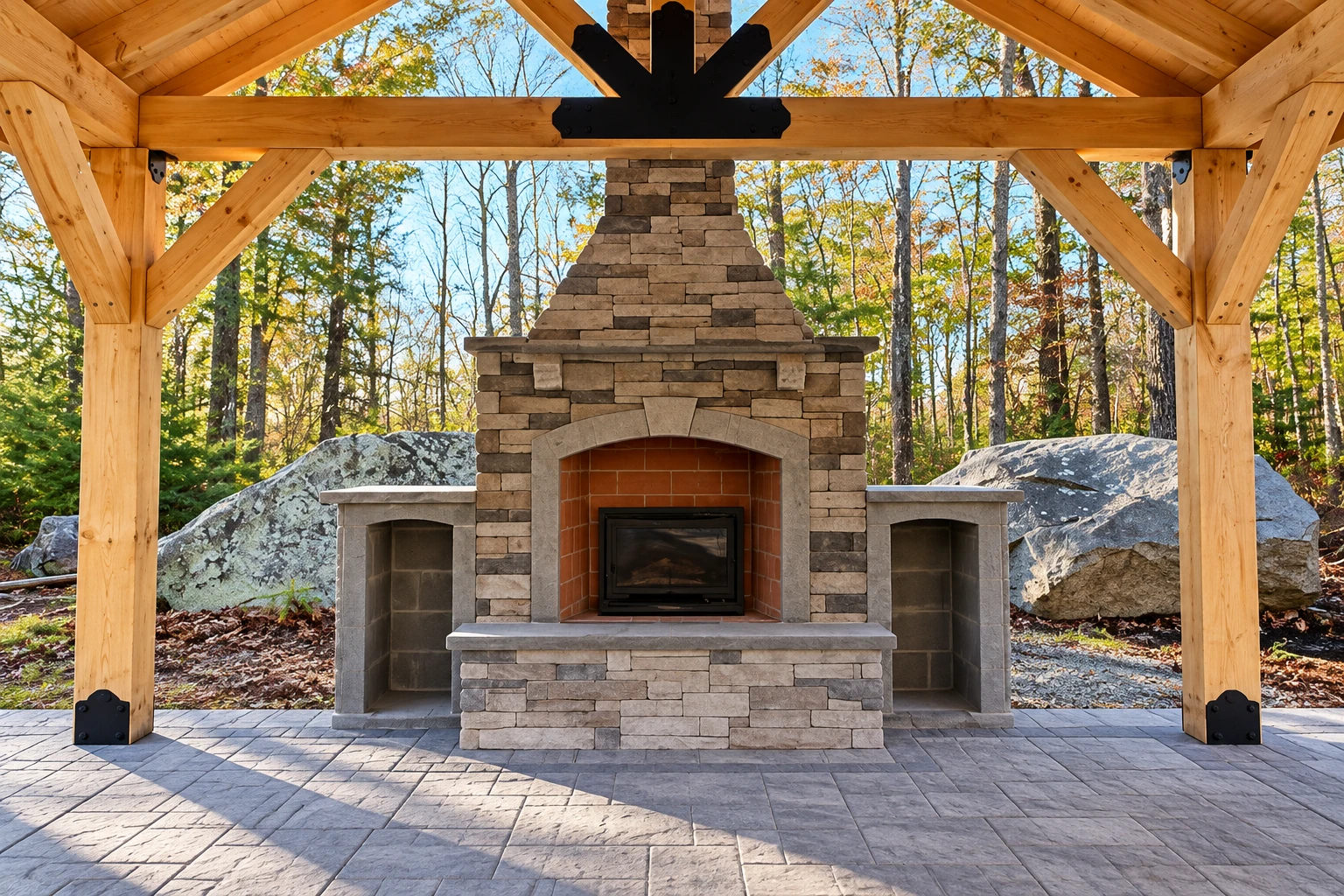
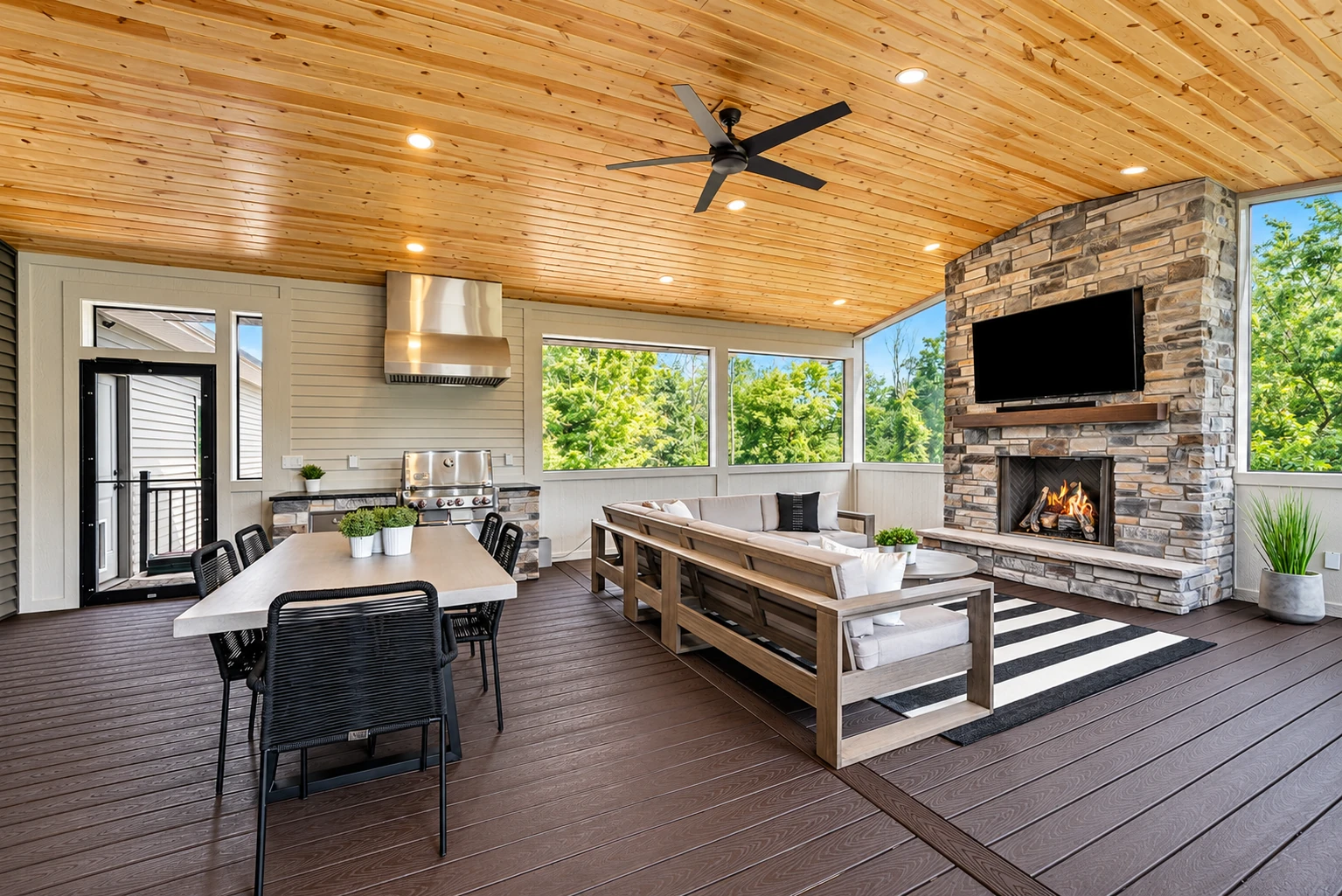
We build masonry fireplaces and surrounds in brick or stone, and we sort out the layout, clearances and hearth with you before any material shows up at the house.
Many newer homes here have stone veneer fronts, and we set it over a water barrier with a drainage gap so moisture has a way out instead of soaking the wall.
Block walls for yards, garages and privacy go up on a level, reinforced footing, with steel and grout filling the hollow cores where the wall needs extra strength.
For additions and new outbuildings, we lay foundation block to the approved plans, keep every row level and plumb, and damp-proof the outside before the dirt goes back.
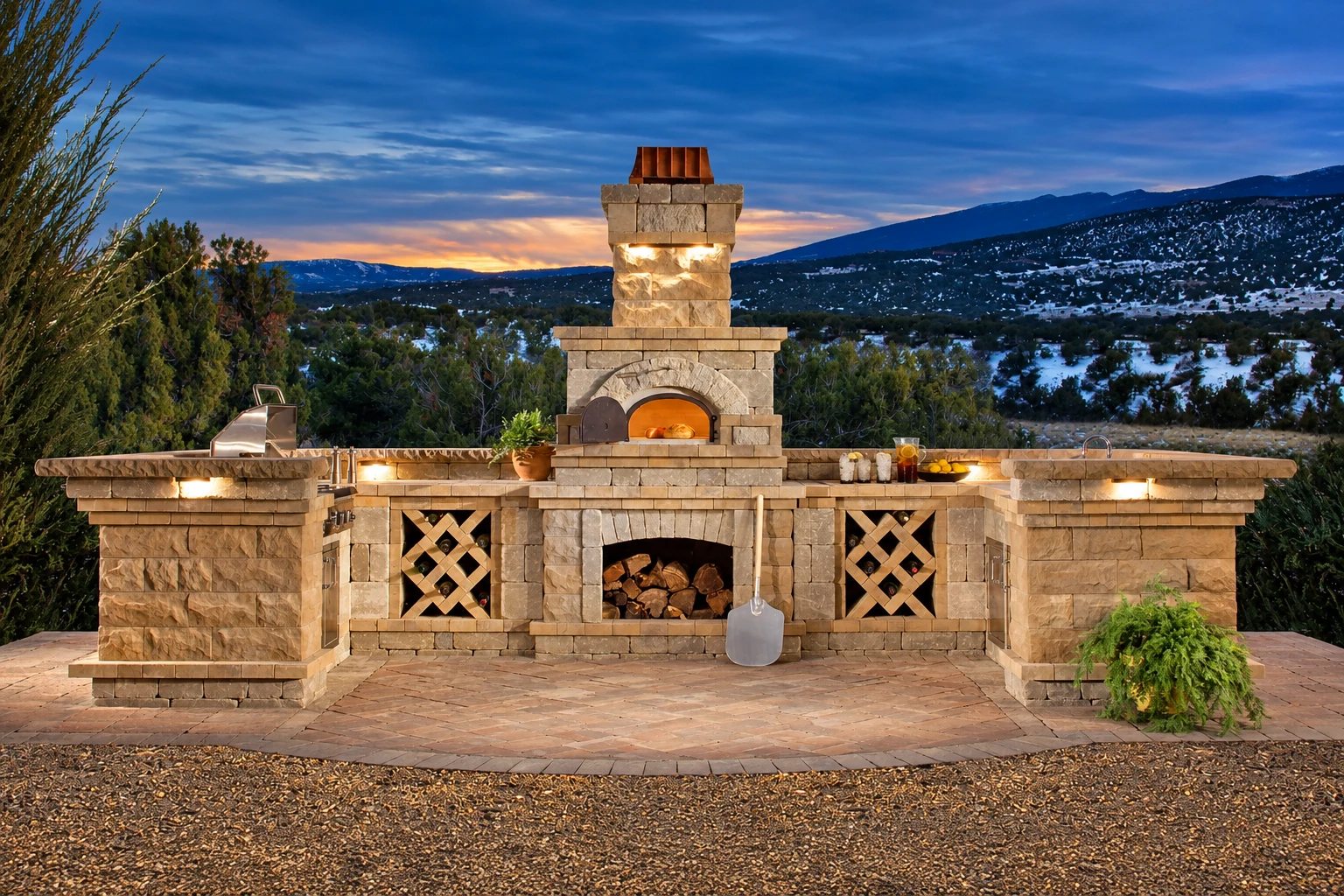
We build the block base, stone or brick facing and countertop support for outdoor kitchens, leaving room for the gas, power and water lines your other trades will run.
Sunken, tippy walkways usually come from a thin or soft base, so we dig out, pack the base in layers and slope the walk so water runs off instead of pooling.
Garden walls, mailbox columns and short screen walls go up on a proper footing, with a cap on top that sheds rain instead of letting it soak into the brick.
We lay natural stone for walls, steps, columns and borders, fitting each piece by hand so the stones bear on each other and the joints stay tight.
For smaller spots, like a few bad joints on steps, a chimney or a garden wall, we repoint just the damaged area with mortar that matches what's already there.
Send the form and we'll get back to you within one business day to set a time, then I'll come out, look at the job and write an estimate that spells out what the price covers, with no obligation.
The estimate costs nothing and happens at your house, because I can judge a leaning wall or crumbling joint far better standing in front of it than from a photo.
We're licensed and fully insured, and our promise is simple. Satisfaction guaranteed on every job, whether it's a few joints on the steps or a brand-new wall.
We check with the Johnstown Building Department on each job, and when a permit's needed we handle the application and set up the inspections so you're not chasing paperwork.
Here's what Johnstown homeowners usually want to know about licensing, permits and foundations before a masonry job gets started.
Yes, every contractor working in Johnstown has to be licensed with the Town of Johnstown. Contractors apply online through eTRAKiT, the Building Department's self-service portal, so it's fair to ask any mason you're considering whether they hold that license. If you do the work yourself, you enter your own information in the contractor section of the permit application.
New structures and additions need a building permit in Johnstown, since both are on the Building Department's permit list. Masonry repairs like repointing or replacing brick aren't named on that list, so we ask the department before we start. Johnstown asks that the permit be issued before materials are bought, and a 3.5% use tax on construction materials is collected when it's issued.
A Johnstown permit expires if work doesn't start within 180 days of the permit date. It also expires if inspections show the work stopped or abandoned for 180 days after it began. That's why we settle the start date with you before we apply, so the clock isn't running while you're still deciding.
Yes, Johnstown requires every foundation system to be engineered by a Colorado licensed engineer, based on a soils analysis for that exact spot. Detached accessory buildings, like a detached garage, can use a foundation the building official approves instead. On a new foundation block wall, that design comes before we lay any block.
These cities have their own pages, but they're just some of the places we work, so call (970) 292-7476 or send the form if you're not sure about your address.
Our hours run 7 AM to 11 PM every day, so call (970) 292-7476 after work or send the form tonight.