
House walls and corners
Joints rarely wear evenly across a house, and the walls that take the most water usually go first, so we often repoint the worst walls now and tell you which ones can wait.
Crumbling joints or white stains that keep coming back? We find the cause, then renew the mortar so your brick walls stay sound.
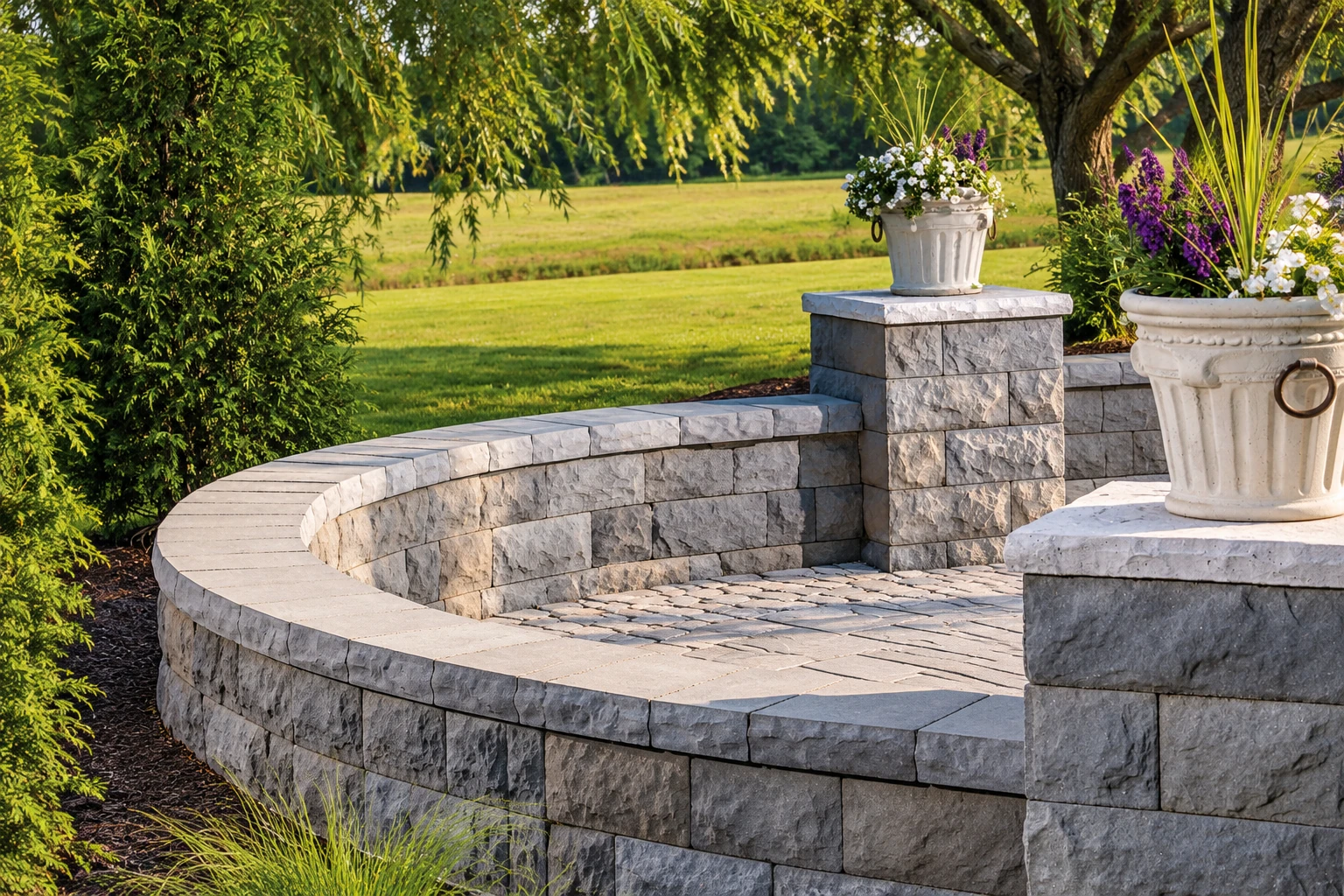
Brick repair in Loveland, CO mostly means repointing, where we cut out mortar that's worn or cracked and pack the joints with fresh mortar, so water stays out and the bricks you already have stay put.
Most folks call us after spotting sandy mortar at the foot of a wall, joints that look sunk back from the brick face, or a crack zigzagging up through the joints like a staircase. I'll come out, ask how long it's looked like that and check where the water's coming from, and if it can wait a while, I'll tell you so.
The price mostly comes down to how much of the wall needs new joints, how deep the old mortar has gone, how high we have to reach and whether whatever caused the damage needs fixing too. The schedule turns on the weather, since fresh mortar needs mild days, and on setting up scaffolding for taller walls. Your own number comes from the estimate, and I write down what it covers so you can see it all in one place.
A patch over a leak just lets you down again, so we find out what wore the joints out before we pick up a trowel, and I'll explain it standing right in front of the wall.
I learned on a city crew repairing old brick on public buildings, so we take worn mortar out carefully and pick a mortar that suits your brick, not the hardest one around.
I'm the one who comes out to look and write the estimate, and I work on the wall alongside our masons, so nothing gets lost between the quote and the job.
Every repair starts with a good look around, not a bucket of mortar. When white staining keeps coming back, we go looking for where water is getting into the wall before we repair anything, because staining that returns usually means water is getting in and staying there, and new mortar won't change that. A little white bloom on brand-new brickwork is just the wall drying out, and that kind I'll tell you to leave alone.
Sometimes the water comes from the ground around the house. A driveway pitched back toward the brick or a slope with nothing holding it can keep the bottom of a wall soaked, and then driveway pavers laid to drain away or retaining wall construction belongs in the plan. Once the cause is handled, our crew rakes the worn mortar out to sound material, packs in fresh mortar, shapes the joints to match the rest of the wall and cleans up after itself.
On taller walls we talk through scaffolding and noise ahead of time, because cutting out joints is loud, slow work and the scaffold may stand against the house for a while. That way the start date works for your household, whether you're planning around a new baby, a home office or a weekend with guests.
Joints rarely wear evenly across a house, and the walls that take the most water usually go first, so we often repoint the worst walls now and tell you which ones can wait.
Brick steps take foot traffic and runoff from the door, so loose joints there soon turn into rocking treads that someone trips on. We repoint them so the steps feel solid underfoot again.
A freestanding wall gets wet on both faces and along the top, so the cap and top rows usually loosen first. Catching them early keeps water from working down through the whole wall.
Downtown Loveland is a National Historic District centered on East 4th Street, and the city's Downtown Design Standards guide how its buildings are restored outside, so we'll go over them with you before planning a repair there.
Send the form and we'll get back to you within one business day to set a time. I'll come out, look at the wall and give you a free written estimate, with no obligation.
A few close-ups of the joints and one shot of the whole wall let me see how far the damage goes before I come out, so the visit's spent on finding the cause.
Say whether it's the home you live in, a rental or a downtown building, because the city's licensing and the downtown standards treat those differently and we plan around that.
The estimate lists what the price covers in one place, so you can see exactly what you're paying for and compare it fairly. Satisfaction guaranteed on every job.
These show joint profiles, brick colors and wall layouts worth talking over, so you can point to what you like when I come out.
Straight answers to what homeowners ask before repointing, from spotting worn joints to mortar strength, cold weather and city permits.
Your brick needs repointing if the mortar has worn back more than 1/4 inch, crumbles, has gaps or hairline cracks, or has cracked away from the edges of the bricks. Any one of those is a good reason to schedule the work. Have me out to look and I'll tell you honestly whether it's urgent or can wait a while.
No. Repointing mortar should be about as strong as the original or weaker, because harder mortar concentrates the load on the bricks and can damage their faces. It's a fair question to ask any contractor, and I'll tell you which mortar we plan to use on your wall and why before we start.
Not while the wall is frozen. A federal guide for repointing historic masonry calls for fully thawed surfaces before work starts and for air and surface temperatures to stay above 40 degrees F for at least 8 hours afterward. That's guidance for historic buildings, not a Loveland rule, and we'll look at the forecast with you when we set a start date.
Sometimes, and we check before every job. The city requires a permit for new construction, additions or alterations, and a city contractor's license for structural work on rentals, multi-family and non-residential buildings. We're licensed and fully insured, and when a permit's needed we handle the application and inspections. If you're unsure whether your repair counts as structural, ask the city's Building Division at 970-962-2505.
Mortar joints typically last more than 25 years, depending on how much weather they take and which mortar was used, while the bricks themselves can last well over 100 years. That's why a sound brick house often just needs its joints redone. We'll point out which walls are worn now and which still have years left in them.
We take calls seven days a week from 7 AM to 11 PM, so ring (970) 292-7476, use the form or email hello@lovelandconcreteandmasonry.com.